Green Housing Policy: When Sustainability and Property Taxation Meet


Green Housing Policy: When Sustainability and Property Taxation Meet
The housing market is no longer just about square footage and location. As climate change intensifies and energy costs fluctuate, sustainability has become a central concern in housing policy. But how do environmental goals intersect with property taxation—and can the tax system be used as a tool to promote greener homes?
When Housing and Climate Intersect
Buildings account for a significant share of Canada’s greenhouse gas emissions. Heating, cooling, and construction materials all contribute to the country’s carbon footprint. At the same time, a home is often the largest financial investment Canadians make, meaning that tax policies affecting housing have a direct impact on household budgets.
Green housing policy is therefore about finding the balance between economic fairness and environmental responsibility. This is where property taxation enters the picture.
Taxes as a Policy Lever
Traditionally, property taxes have been designed to fund local services and ensure a fair distribution of public resources. In recent years, however, a new perspective has emerged: using taxation as a green incentive.
Some economists and policymakers suggest that property tax rates or rebates could reflect a home’s energy performance. A well-insulated, energy-efficient house could be rewarded with lower taxes, while older, inefficient properties might face higher rates—offset by tax credits or grants for energy upgrades.
In this way, the tax system could become an active instrument for encouraging sustainable investments, without necessarily requiring new subsidy programs.
Læs også:

Green Renovations as Economic Opportunity
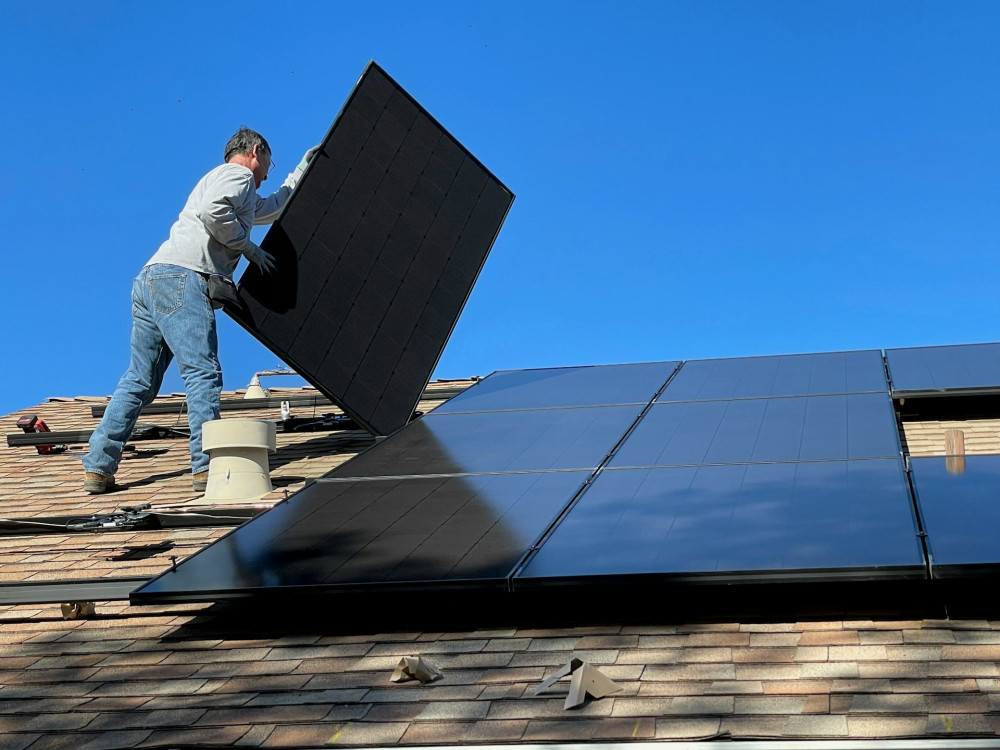
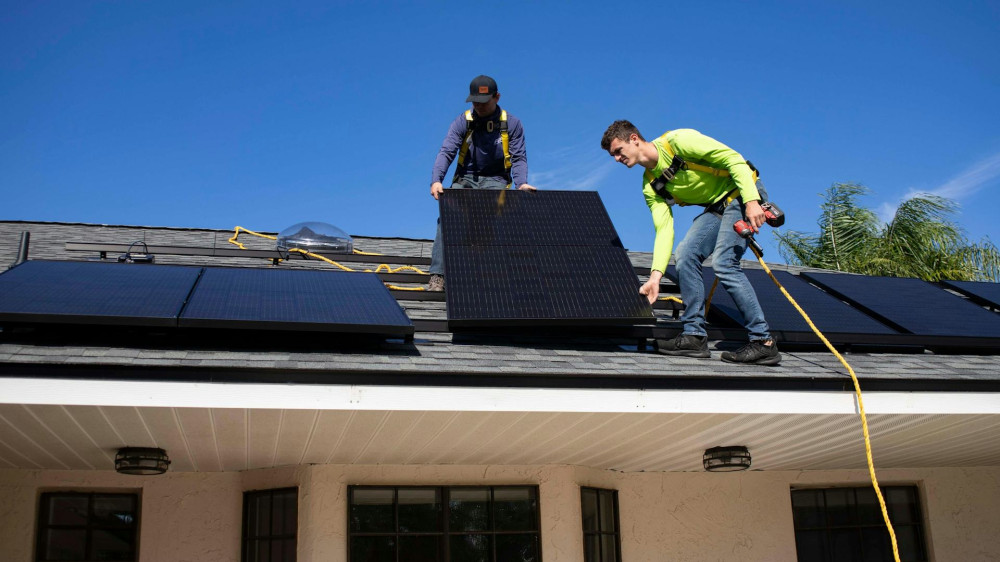
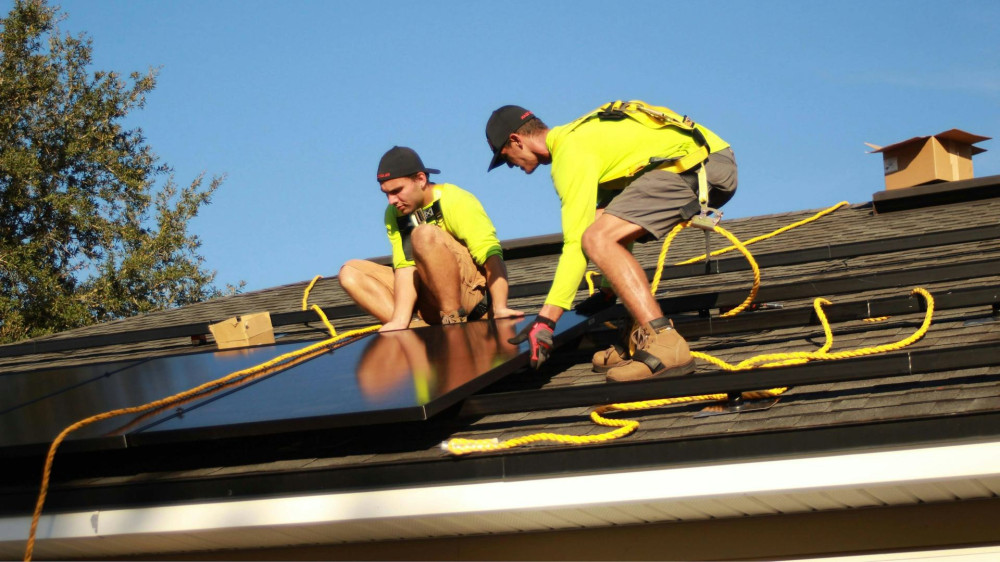
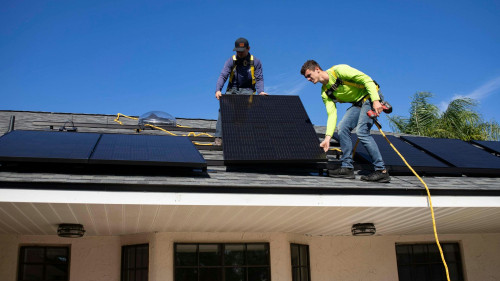
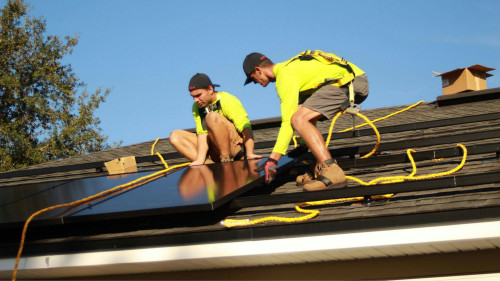
For many homeowners, energy retrofits still seem like a costly undertaking. Yet over time, they can pay off both financially and environmentally. Better insulation, heat pumps, or solar panels can significantly reduce energy bills while increasing property value.
If property taxation were to reward energy-efficient improvements, it could create a positive cycle: lower operating costs, higher home values, and a smaller carbon footprint. To make this work, however, the rules must be transparent, and homeowners need access to financing and reliable advice.
Ensuring Social Balance in the Green Transition
One challenge in green housing policy is that not everyone has the same financial capacity to invest in sustainable solutions. If tax incentives only benefit those who can already afford renovations, inequality between homeowners could deepen.
That’s why many experts advocate for socially balanced models—programs that help low- and middle-income households make green upgrades. This could include targeted grants, low-interest “green loans,” or enhanced tax credits for energy retrofits in older homes. Such measures ensure that the green transition is inclusive, not exclusive.
The Role of Municipalities
Municipal governments play a crucial role in shaping green housing policy. They can influence development through zoning, building codes, and property tax structures. Some Canadian municipalities are already experimenting with green incentives—such as reduced property taxes for certified energy-efficient homes or support for community solar projects.
Municipalities can also lead by example, retrofitting public buildings and setting sustainability standards for new developments. Local leadership often sets the tone for broader change.
The Future of Property Taxation—Green and Fair?
Debates about property taxation in Canada have long focused on fairness between urban and rural areas, homeowners and renters, young and old. Now, climate considerations add a new dimension. The question is how to design a tax system that is both economically equitable and environmentally progressive.
A green property tax doesn’t have to be an added burden. It can be an investment in the future housing market—one where sustainability is not just a moral choice but an integral part of economic value.
A Green Home as a Shared Goal
Across political lines, there is growing agreement that housing must be part of the climate solution. Achieving this requires collaboration among federal, provincial, and municipal governments, the financial sector, and homeowners themselves. When sustainability and property taxation meet, the goal is clear: to make the green choice the financially sensible one.
For individual Canadians, this may mean reimagining what “home” represents—not only as a place to live, but as a cornerstone of a shared, sustainable future.
Læs også: