Probability and Games: Why Our Brains Often Mislead Us

Probability and Games: Why Our Brains Often Mislead Us
Whether it’s a night at the casino in Niagara Falls, a friendly poker game, or a quick lottery ticket at the corner store, Canadians love a bit of chance. Yet, when we play, we often believe we can spot patterns or predict outcomes. The truth is, our brains are not built to understand randomness very well. We see order where there is none and overestimate our ability to influence luck. This very human flaw is what makes games of chance so captivating—and sometimes risky.
The Brain’s Search for Patterns
Humans are natural pattern seekers. It’s an evolutionary advantage: recognizing a predator’s movement in the forest or anticipating seasonal changes helped our ancestors survive. But in games, that same instinct can lead us astray.
Take the classic coin toss. If a coin lands on heads five times in a row, many people feel that tails is “due” next. This is known as the gambler’s fallacy—the mistaken belief that past outcomes affect future ones. In reality, each flip is independent, and the odds remain 50/50 every time.
The Illusion of Control
Another mental trap is the illusion of control—the feeling that we can influence random outcomes through our actions. Maybe you press the slot machine button at just the right moment or pick your own lottery numbers because they “feel lucky.” These actions give a sense of agency, but they don’t change the underlying probabilities.
Psychological studies show that this illusion can make games more engaging. When we believe we have control, we feel more invested and often play longer than we intended. It’s part of what keeps people coming back to the tables or the online betting apps.
Læs også:

When Emotions Take Over
Games of chance are not just about numbers—they’re about emotions. Our brains respond strongly to both wins and losses. A small win triggers a release of dopamine, the brain’s “reward chemical,” creating a brief rush of excitement. That feeling encourages us to play again, hoping to repeat the experience.
Losses, however, hit harder than wins of the same size. This imbalance can lead to loss chasing, where players keep betting in an attempt to recover what they’ve lost. It’s a dangerous cycle that can turn entertainment into compulsion.
Randomness Isn’t Fair
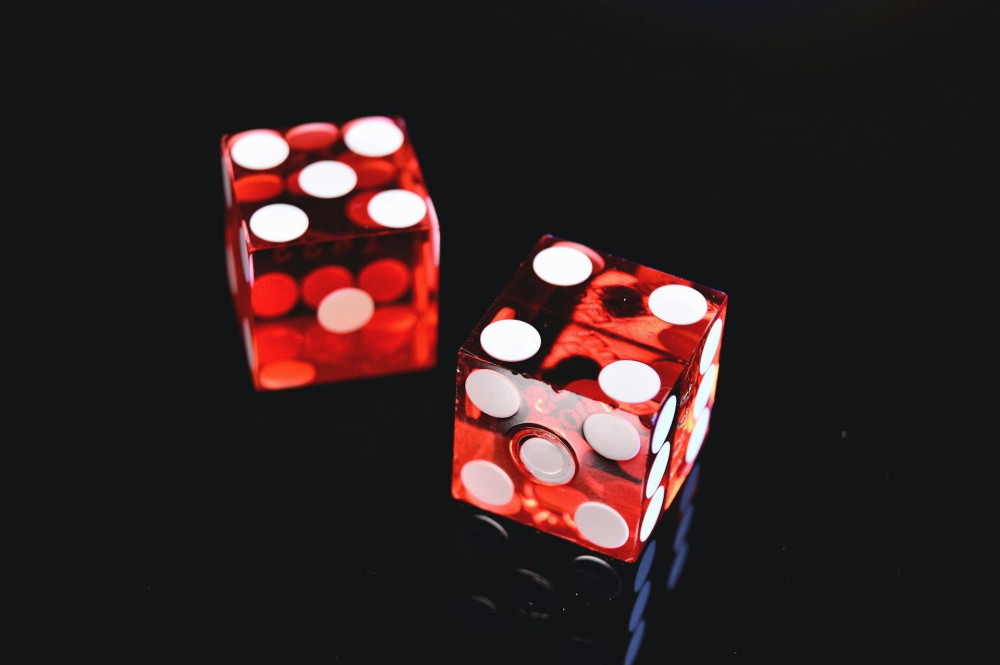
One of the biggest misconceptions about luck is the idea that it “balances out.” After a string of losses, many players think a win must be around the corner. But randomness has no memory. Each spin, roll, or draw is independent of the last.
Casinos and game designers understand this human bias well. Slot machines, for example, are built to create the illusion of being “close to winning” through flashing lights, sounds, and near misses. These cues keep players engaged, even when the odds never change.
Playing Smart
Understanding probability doesn’t have to take the fun out of playing—it can help you enjoy it responsibly. Here are a few simple tips:
- Know the odds. Learn how the game works and what your real chances of winning are.
- Set limits. Decide in advance how much time and money you’re willing to spend—and stick to it.
- Treat games as entertainment, not investment. Wins are rare, and losses are part of the experience.
- Take breaks. When emotions run high, decision-making tends to suffer.
By recognizing the psychological tricks our brains play on us, we can keep the thrill of the game where it belongs—in the realm of fun—and keep control where it truly matters: in our own hands.
Læs også: