Save Money and Protect the Environment with Lower Fuel Consumption


Save Money and Protect the Environment with Lower Fuel Consumption
Fuel prices in Canada can fluctuate from province to province, but one thing remains constant: driving efficiently saves money and reduces your environmental footprint. Transportation is one of the largest sources of greenhouse gas emissions in the country, so every litre saved makes a difference. With a few simple changes in driving habits and vehicle maintenance, you can cut costs and help protect the planet—without sacrificing comfort or convenience.
Drive Smoothly and Plan Ahead
The way you drive has the biggest impact on fuel consumption. Rapid acceleration and hard braking waste energy and fuel. Instead, aim for a steady, predictable driving style.
- Accelerate gently and shift gears early if you drive a manual transmission.
- Keep a safe distance from the vehicle ahead so you can coast instead of braking suddenly.
- Ease off the gas early when approaching a red light or a stop sign—modern engines use no fuel when you decelerate in gear.
A calm, steady driving style can reduce fuel use by up to 15 percent and make your trips more relaxing.
Check Tire Pressure and Keep Your Vehicle Maintained
Underinflated tires increase rolling resistance, which means your engine has to work harder. Check your tire pressure at least once a month, especially before long drives or when temperatures drop—cold weather can lower tire pressure significantly. The correct pressure is listed in your vehicle’s manual or on a sticker inside the driver’s door.
Regular maintenance also helps your car run efficiently. Replace air filters and engine oil as recommended, and make sure spark plugs and sensors are in good condition. A well-tuned engine burns fuel more cleanly and efficiently.
Reduce Weight and Wind Resistance
The heavier your vehicle, the more fuel it consumes. Remove unnecessary items from your trunk or cargo area, and take off roof racks or cargo boxes when not in use. A roof box can increase fuel consumption by up to 20 percent on the highway due to added drag.
Even small changes add up—carrying around sports gear, tools, or other heavy items you don’t need can cost you extra litres over time.
Plan Your Trips Wisely
Short trips with a cold engine use more fuel and produce more emissions. Try to combine errands so your engine stays warm and you avoid multiple cold starts.
Also consider whether you need to drive at all. In many Canadian cities, public transit, cycling, or walking can be practical alternatives. For short distances, an e-bike or electric scooter can be both economical and environmentally friendly.
Use Technology to Your Advantage
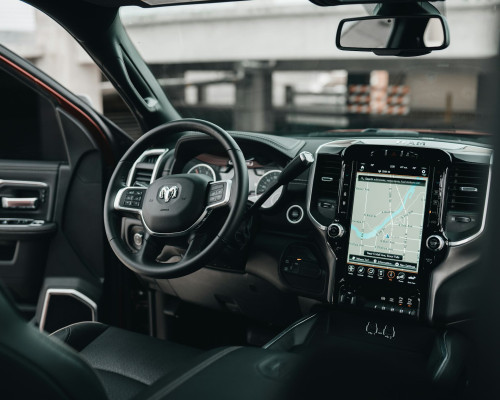
Modern vehicles often include features that help you drive more efficiently. Many display real-time fuel consumption, suggest optimal gear changes, or offer an “eco” driving mode that adjusts engine performance for better efficiency.
If you drive an older car, you can use a smartphone app or a plug-in device to monitor your driving habits and identify ways to save fuel.
Consider Alternative Powertrains
If you’re thinking about buying a new vehicle, explore options beyond gasoline and diesel. Hybrid and electric vehicles are becoming increasingly common across Canada, with expanding charging networks and government incentives in many provinces. While the upfront cost can be higher, the long-term savings on fuel and maintenance often make up for it.
For many drivers, choosing a smaller, more efficient vehicle can also lead to lower insurance premiums and registration fees.
Læs også:


Small Changes, Big Impact
Driving efficiently isn’t about slowing down—it’s about driving smart. By combining good planning, smooth driving, and regular maintenance, you can save hundreds of dollars each year and significantly reduce your carbon footprint.
Every litre of fuel saved helps both your wallet and the environment. With a few mindful habits, you can make your daily drives cleaner, cheaper, and more sustainable.
Læs også: