Create Balance Between Function and Aesthetics in Your Construction Project

Create Balance Between Function and Aesthetics in Your Construction Project
When you begin a construction project—whether it’s a new home, a cottage addition, or a major renovation—you face one of the timeless challenges: finding the right balance between function and aesthetics. A building should not only serve your daily needs but also be a place that feels inspiring and comfortable. So how do you ensure that practicality and beauty go hand in hand? Here’s how you can create a project that is both well-designed, durable, and visually harmonious.
Start with Function, Not Appearance
It’s tempting to start by choosing finishes, colours, and architectural details, but a successful project begins with a clear understanding of your needs. How do you live day to day? Which spaces do you use most? What activities take place in each area?
Make a list of your key requirements: storage, natural light, flexibility, energy efficiency, and maintenance. Once the functional aspects are defined, it becomes much easier to select aesthetic solutions that support the way you actually live. For example, a well-planned mudroom in a Canadian home can make winter months far more manageable, while still being designed with attractive materials and lighting.
Læs også:
Think in Wholes, Not in Parts
A beautiful building is not just about individual design choices—it’s about how everything works together. Colours, materials, and proportions should complement one another so the entire structure feels cohesive, both inside and out.
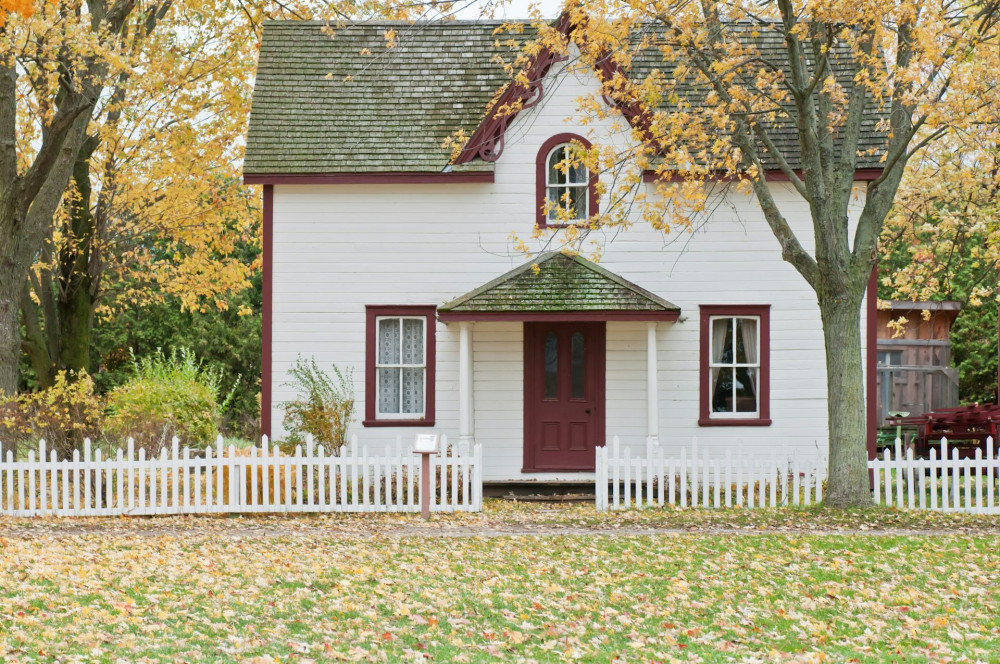
- Exterior: The roofline, siding, and windows should form a unified visual expression. Consider how your home fits into its surroundings—whether it’s a suburban neighbourhood, a lakeside property, or a rural landscape.
- Interior: Create continuity by repeating materials and tones across rooms. This gives a sense of calm and flow throughout the home.
Holistic thinking also means understanding how function and aesthetics influence each other. Large windows can bring in beautiful natural light but may require shading or high-performance glazing to prevent overheating. An open-concept layout can feel spacious but needs careful attention to acoustics and storage.
Choose Materials That Combine Beauty and Durability
Material selection is where function and aesthetics meet most directly. A material can be visually stunning but impractical—or practical but uninspiring. The best solutions often lie in the middle.
- Wood adds warmth and character but may need maintenance depending on the species and finish. Consider durable Canadian hardwoods or engineered options for longevity.
- Stone and concrete are timeless and strong but can feel cold unless balanced with softer textures.
- Modern composites can mimic natural materials while offering lower maintenance and improved performance.
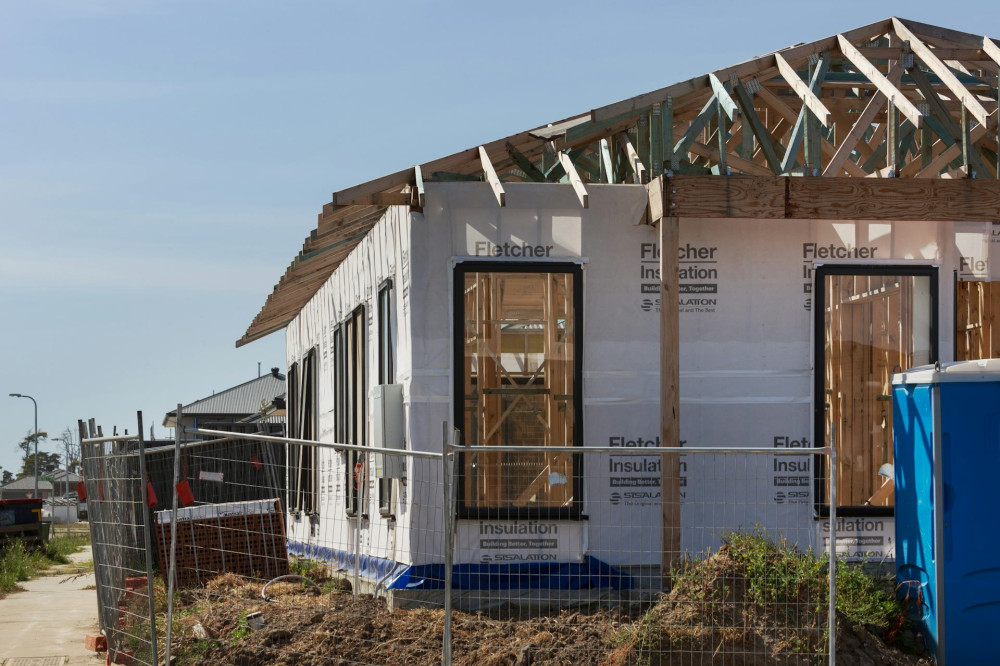
Sustainability is also key. Opt for materials with a long lifespan and low environmental impact. Locally sourced wood, recycled metal, or energy-efficient insulation not only reduce your carbon footprint but also contribute to a more resilient and cost-effective building over time.
Light as a Design Tool
Light is one of the most powerful elements in both function and aesthetics. A well-lit space feels larger, more comfortable, and more inviting. Plan window placement carefully, taking into account the path of the sun and the surrounding views. In Canada’s northern climate, maximizing daylight during shorter winter days can make a big difference in comfort and energy use.
Complement natural light with layered artificial lighting—task lighting for work areas, ambient lighting for general illumination, and accent lighting for atmosphere. Fixtures such as pendants, sconces, and recessed lights can serve as both practical and decorative features.
Furnish with Purpose
Once construction is complete, interior design plays a crucial role in maintaining the balance between function and aesthetics. Furniture, textiles, and colours should enhance the architecture rather than compete with it.
- Use clean lines and a limited palette to create a sense of calm.
- Define zones in open spaces to clarify how each area is used.
- Choose colours that complement the natural light—cool tones for north-facing rooms, warmer hues for south-facing ones.
A thoughtful interior makes your home feel both functional and personal, reflecting your lifestyle and taste.
Collaborate with the Right Professionals
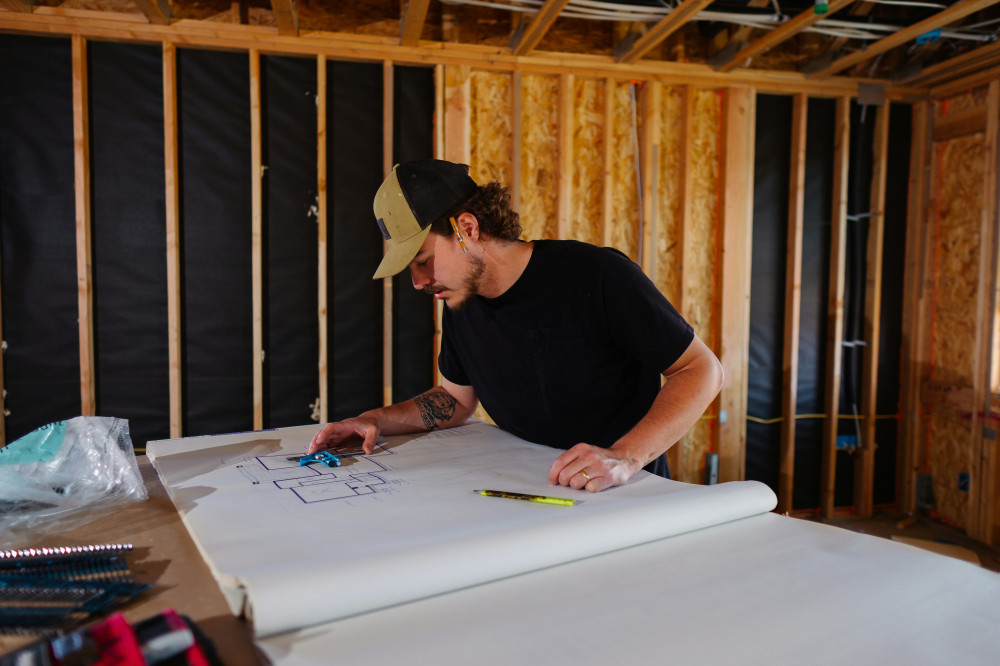
Even the best ideas can fall short without good communication between homeowner, architect, and builder. Choose professionals who understand your vision and can translate it into solutions that are both practical and visually refined.
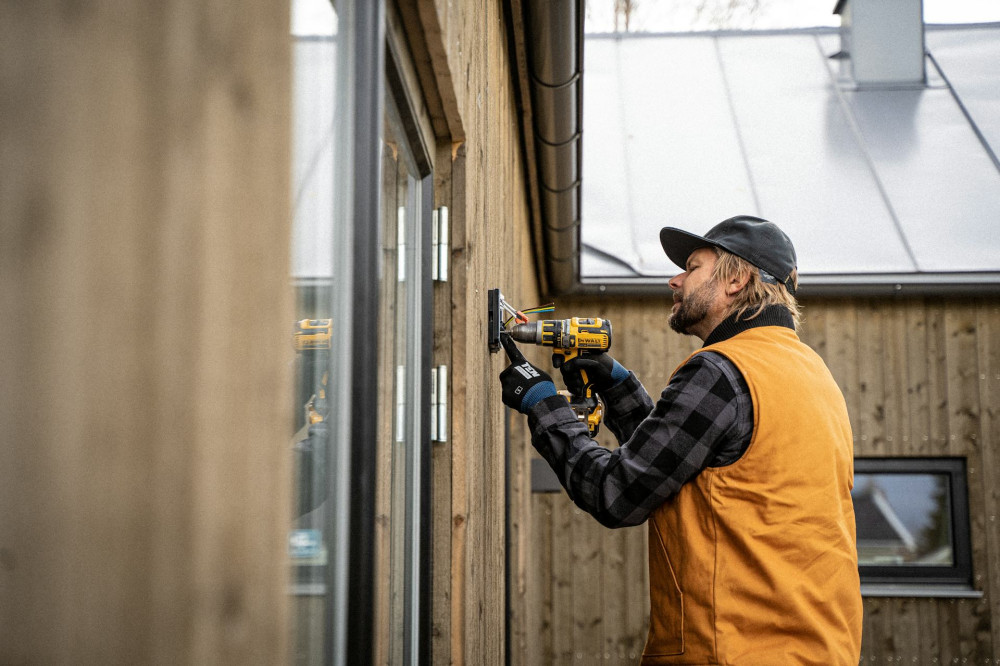
An architect can help integrate form and function, while a structural engineer or builder ensures that technical details are sound. The best results come from collaboration—where creative design meets solid craftsmanship.
A Home That Lasts
When function and aesthetics are in harmony, you end up with a home that not only looks great but also works beautifully in everyday life. It’s a space that adapts to your needs, supports your routines, and feels right to live in. A successful construction project isn’t necessarily the most extravagant—it’s the one that stands the test of time, both in design and in the way it serves you.
Læs også: