The payment plan that matches the phases of a construction project

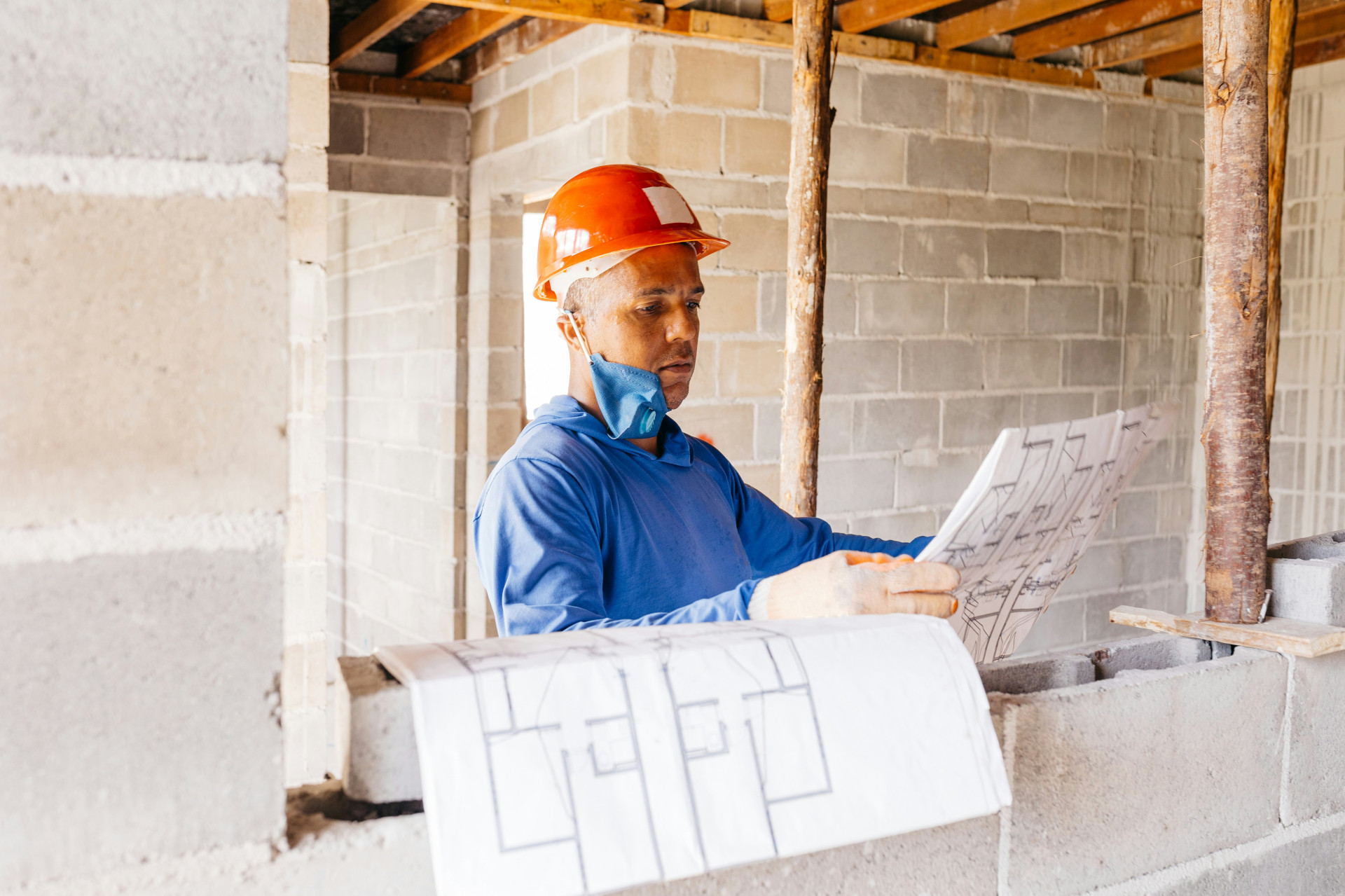
The payment plan that matches the phases of a construction project
When you build a new home, renovate, or add an extension, it’s not just the design and materials that need careful planning – your finances do too. A well-structured payment plan is key to keeping your project on track and avoiding unpleasant surprises. It ensures that payments are made in step with progress on site, giving both you and your contractor clear expectations about when and how money changes hands.
Here’s how to create a payment plan that follows the natural phases of a construction project – from the first shovel in the ground to the final walkthrough.
Why a payment plan matters
A payment plan is an agreement between the homeowner and the contractor that outlines when payments will be made throughout the construction process. It protects both parties: the contractor gains assurance of regular cash flow, and you only pay for work that has actually been completed.
Without a clear plan, confusion can arise about what’s finished and what’s owed. That can lead to disputes, delays, or even financial loss. A good payment plan brings transparency, trust, and better budget control.
Phase 1: Planning and design
Before construction begins, you’ll need drawings, permits, and possibly engineering or energy assessments. In this phase, payments typically cover design and consulting services.
It’s common to make a small initial payment – often around 5–10% of the total contract value – to cover start-up and design work. The remainder should only be paid once final plans and permits are approved.
Phase 2: Foundation and structure
Once construction starts, the major expenses begin. Payments should align with visible progress on site.
A typical breakdown might look like this:
- Foundation and site preparation: 15–20%
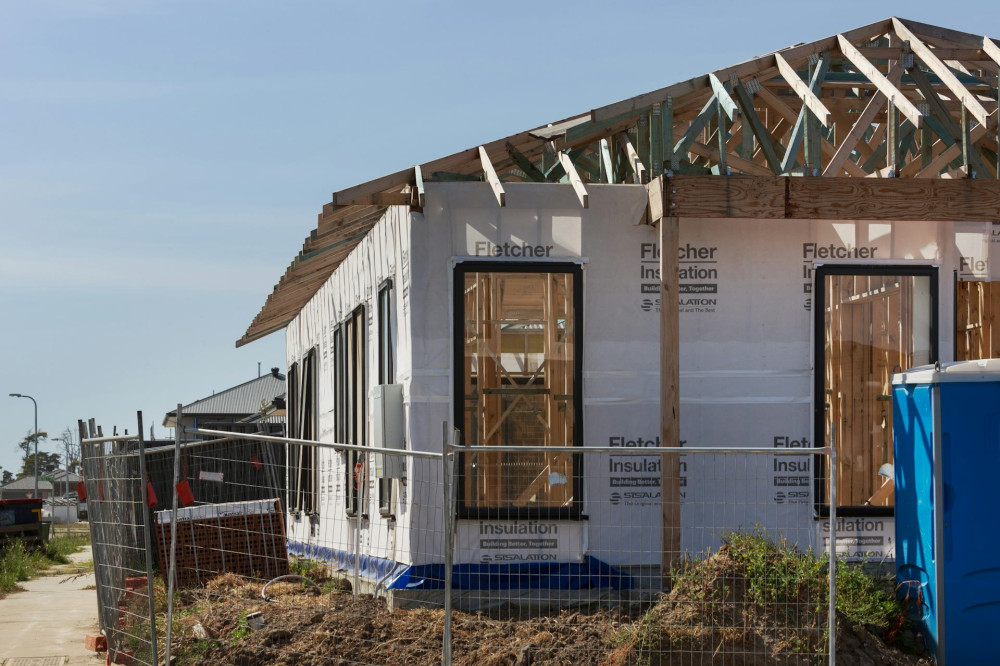
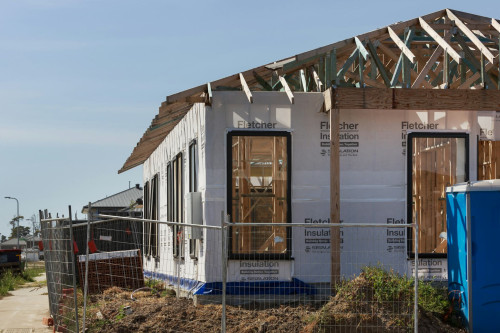
- Framing, roofing, and windows: 25–30%
Always pay only after the work has been completed and inspected. It’s wise to have a building inspector or independent consultant verify that each stage meets standards before releasing the next payment.
Phase 3: Mechanical systems and interior work
When the structure is enclosed, tradespeople move on to electrical, plumbing, HVAC, insulation, and interior walls. You can schedule one or two payments during this phase to cover these installations and the finishing touches such as flooring, painting, and cabinetry.
This is also the stage where many homeowners make changes or upgrades. Make sure your payment plan specifies how change orders will be handled. Require that all changes be approved in writing before they’re carried out and billed.
Phase 4: Completion and handover
As the project nears completion, the final payment should only be made after a thorough walkthrough with your contractor.
It’s standard practice in Canada to hold back 10% of the contract price as a statutory holdback, as required under provincial construction lien legislation. This amount is typically retained for 45 days after substantial completion to protect against unpaid subcontractor claims. You may also choose to withhold an additional small amount until any deficiencies are corrected.
Læs også:

Phase 5: Post-completion and warranty period
Even after you’ve moved in, minor issues can appear. Most contracts include a warranty period – often one to two years – during which the contractor is responsible for fixing defects. You can agree to release a small final payment (for example, 2–3%) after a one-year inspection, once any issues have been resolved.
This ensures the contractor remains committed to quality long after the project is finished.
Tips for a secure payment plan
- Use a written contract. In Canada, standard forms such as those from the Canadian Construction Documents Committee (CCDC) clearly define payment terms and responsibilities.
- Avoid large upfront payments. Never pay for work that hasn’t been completed.
- Document everything. Keep written records of changes, timelines, and approvals.
- Consider professional oversight. A construction manager or independent inspector can confirm when each phase is ready for payment.
- Track your budget. A structured payment plan helps you monitor costs and spot issues early.
A plan that brings peace of mind
A construction project is a major investment – financially and emotionally. By aligning your payments with the project’s phases, you gain a powerful tool for managing your budget and maintaining control.
When you pay in step with progress, you reduce the risk of disputes and ensure that both you and your contractor are working toward the same goal: a completed home that meets your expectations and stands the test of time.
Læs også: