Ready to Buy a Building Lot? Here Are the Documents You Should Know

Ready to Buy a Building Lot? Here Are the Documents You Should Know
Buying a building lot is often the first step toward creating your dream home. But before you sign the purchase agreement, it’s important to understand the documents that define what you’re actually buying—and what limitations or obligations come with it. Here’s an overview of the key papers you should review carefully when considering a building lot in Canada.
Land Title or Deed – The Property’s Legal Identity
The land title (or deed) is one of the most important documents in any real estate transaction. It shows who legally owns the property and whether there are any registered interests, such as easements, rights of way, or mortgages, that could affect your use of the land.
You can obtain a copy of the title through your province’s land registry office or online land title system. It’s wise to have a real estate lawyer review it to ensure there are no surprises—like restrictions that could limit your building plans.
Zoning Bylaws and Official Community Plan – What You’re Allowed to Build
Before you buy, always check the zoning bylaws for the area. These bylaws determine how the land can be used and what can be built on it. They cover details such as building height, setbacks, lot coverage, and permitted uses.
In addition, the Official Community Plan (OCP) or municipal development plan outlines the long-term vision for the area. Even if your lot’s current zoning allows residential construction, future changes in the community plan could affect your property’s value or development potential.
You can find zoning maps and bylaws on your municipality’s website or by contacting the local planning department.
Survey or Real Property Report – Knowing the Boundaries
A current survey or Real Property Report (RPR) shows the exact boundaries of the lot and the location of any existing structures, easements, or encroachments. This document is essential to confirm that the property lines are where you expect them to be and that there are no boundary disputes.
If the seller doesn’t have a recent survey, consider hiring a licensed land surveyor to prepare one before finalizing the purchase.
Environmental and Soil Reports – What Lies Beneath
A geotechnical or soil report can reveal whether the land is suitable for building. It may identify issues such as unstable soil, high groundwater, or contamination—all of which can significantly increase construction costs or even make building impossible.
In some provinces, environmental site assessments (Phase I or II ESAs) may be required, especially if the land was previously used for industrial or agricultural purposes. These reports help ensure the property is safe and compliant with environmental regulations.
Læs også:
Servitudes, Easements, and Covenants – Hidden Restrictions
Many lots come with registered easements or restrictive covenants that dictate how the land can be used. These might include utility rights of way, shared driveways, or architectural controls that specify building materials or styles.
While some restrictions are minor, others can have a major impact on your plans. Always have your lawyer review these documents to understand their implications before you commit to the purchase.
Purchase Agreement and Transfer of Title – The Legal Foundation
Once you decide to buy, a purchase and sale agreement is prepared to outline the terms of the deal. Make sure it includes conditions that protect you—such as financing approval, satisfactory soil tests, or confirmation of building permits.
After closing, the transfer of title is registered with the provincial land registry, officially making you the owner. Your lawyer or notary will handle this process and ensure all legal requirements are met.
Building Permits and Other Approvals
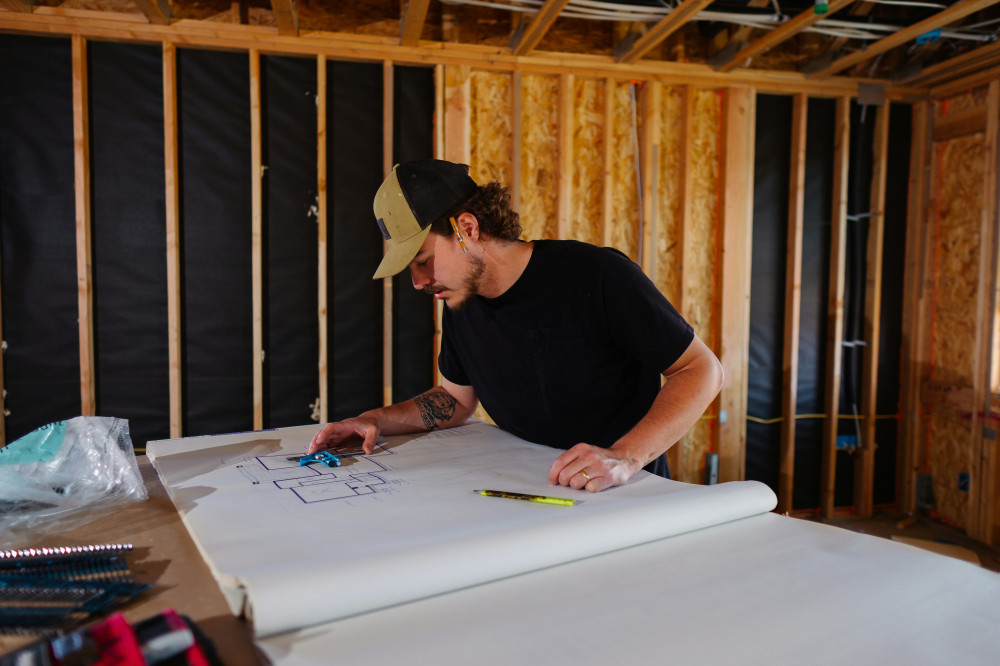
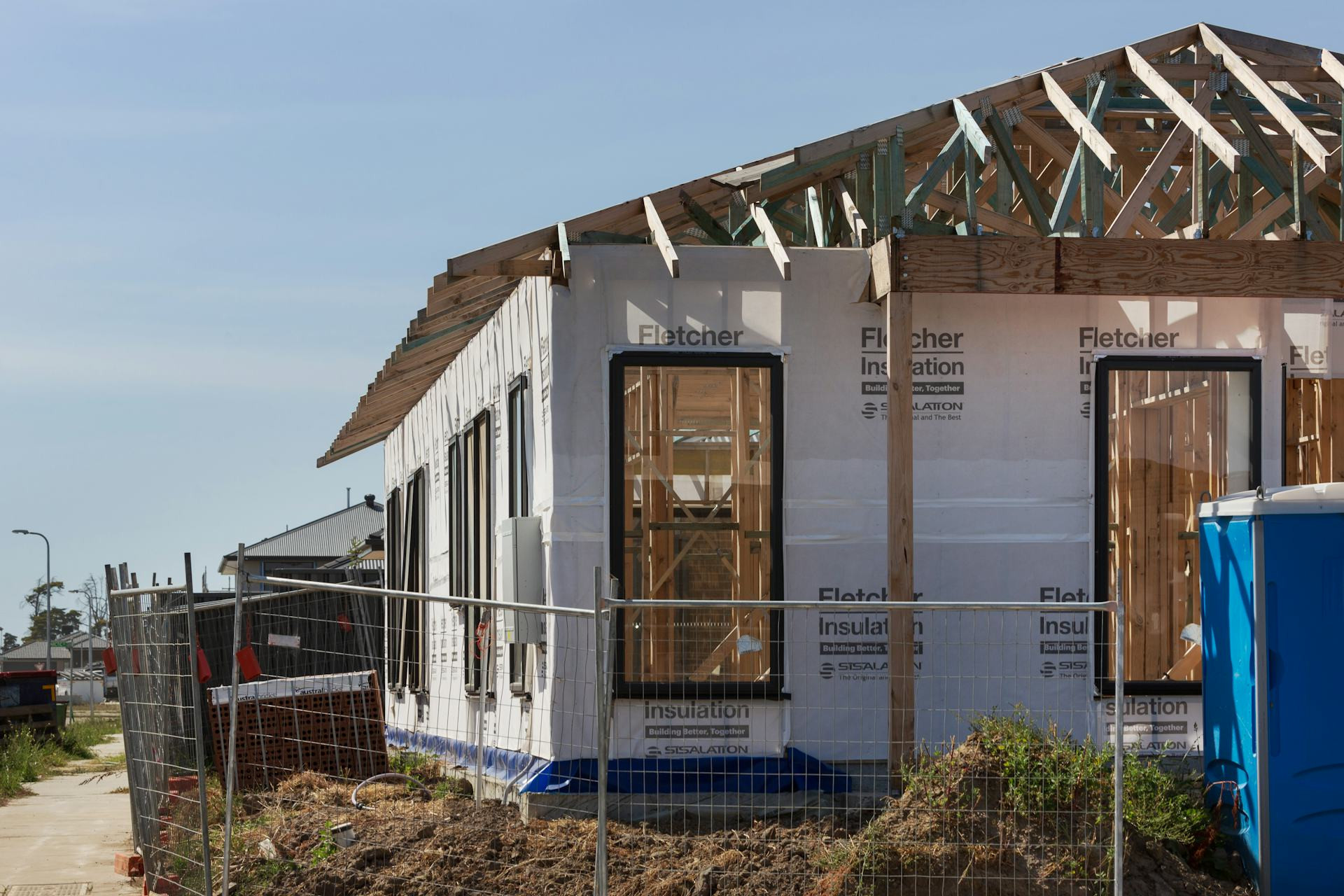
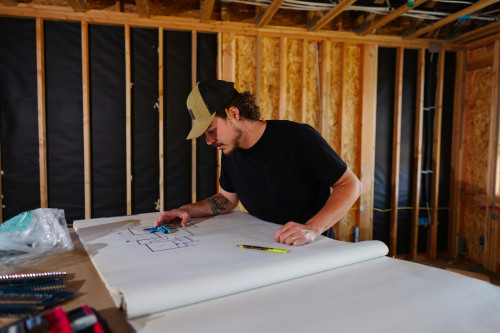
Owning the land doesn’t automatically mean you can start building. You’ll need a building permit from your municipality, which requires detailed plans, engineering documents, and proof that your project complies with local codes and zoning rules.
Depending on the location, you may also need additional approvals—for example, from conservation authorities if the lot is near wetlands or waterways, or from provincial ministries if it’s in a protected area.
Professional Guidance Pays Off
Buying a building lot is a major investment, and the paperwork can be complex. Engaging professionals such as a real estate lawyer, land surveyor, and geotechnical engineer can save you from costly mistakes. They’ll help you interpret the documents, identify potential issues, and ensure the property meets your expectations.
When you understand the paperwork behind your purchase, you’re not just buying land—you’re laying a solid foundation for your future home.
Læs også: