Financial Preparedness: How to Get Ready for Unexpected Construction Expenses

Financial Preparedness: How to Get Ready for Unexpected Construction Expenses
Whether you’re renovating your home in Toronto, building a cottage in the Laurentians, or adding a new garage in Calgary, construction projects always come with a degree of uncertainty. Even with careful planning, unexpected costs can arise — from hidden structural issues to rising material prices or weather-related delays. Being financially prepared is key to keeping your project on track and your stress levels low. Here’s how to plan for the unexpected.
Understand the Common Risks
The first step toward financial preparedness is understanding where extra costs typically come from. While you can’t predict every surprise, you can anticipate the most common ones.
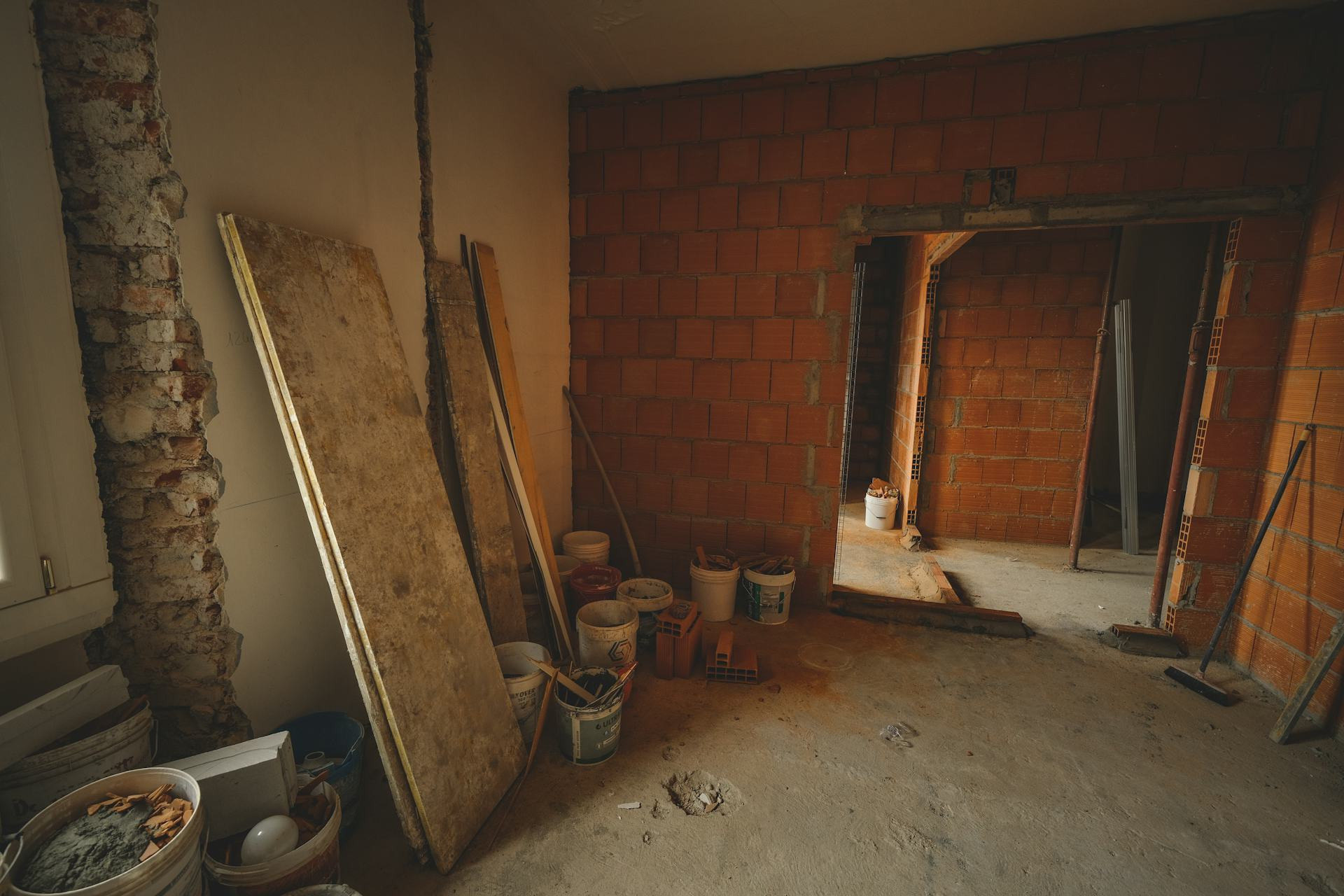
- Hidden issues: Older homes often conceal problems such as mould, outdated wiring, or foundation cracks that only become visible once work begins.
- Price fluctuations: The cost of lumber, steel, and insulation can change quickly, especially in Canada’s volatile construction market.
- Design changes: Mid-project decisions — like upgrading finishes or altering layouts — can add thousands to your budget.
- Delays: Harsh weather, supply chain disruptions, or contractor availability can extend timelines and increase labour costs.
Knowing these risks helps you build a budget that can absorb unexpected bumps along the way.
Læs også:


Build a Realistic Budget — and Add a Contingency Fund
A detailed, realistic budget is the foundation of any successful construction project. Start by gathering multiple quotes from contractors and suppliers to understand the going rates in your area. Don’t forget to include smaller expenses such as building permits, waste disposal, temporary utilities, and inspection fees.
A good rule of thumb is to set aside 10–20% of your total budget as a contingency fund. The older the property or the more complex the project, the larger your buffer should be. It may feel like a lot, but that cushion can make the difference between a manageable hiccup and a financial crisis.
Plan Your Financing Carefully
How you finance your project will affect your flexibility when surprises occur. Many Canadian homeowners use a home equity line of credit (HELOC) or a construction loan to fund renovations. Each option has its pros and cons, so it’s important to understand the terms — especially interest rates, draw schedules, and fees.
Discuss your plans with your financial advisor or bank. It can be wise to arrange a separate credit line specifically for unexpected costs. That way, you won’t need to renegotiate your loan or dip into emergency savings mid-project.
Get Your Contracts and Responsibilities in Order
Clear contracts are one of the best protections against financial surprises. Make sure your agreements with contractors and tradespeople specify:
- What’s included in the quoted price
- How changes or extras will be handled
- Payment schedules and milestones
- Who is responsible for delays or defects
In Canada, you can use standard contract templates from organizations like the Canadian Construction Association (CCA) or provincial home builders’ associations. A well-drafted contract helps prevent disputes and ensures everyone understands their obligations.
Track Your Spending Throughout the Project
Construction projects evolve, and so should your financial tracking. Keep a simple spreadsheet or use budgeting software to record every expense and compare it to your original plan. Review your numbers regularly to catch overruns early.
It’s also smart to hold short progress meetings with your contractor to review both the schedule and the budget. The sooner you spot a deviation, the easier it is to correct course before costs spiral.
Protect Yourself with Insurance and Warranties
Even with the best planning, accidents and mistakes can happen. Make sure you’re properly insured before work begins. Check that you have builder’s risk insurance (often required by lenders) and that your contractors carry liability insurance and workers’ compensation coverage.
When the project is complete, collect all warranty documents and receipts. In many provinces, new homes are covered by mandatory warranty programs, such as Tarion in Ontario or New Home Warranty Programs in Western Canada. These protections can save you significant money if defects appear after completion.
Learn from the Experience
Once your project is finished, take time to reflect. What went smoothly? Where did costs exceed expectations? Keeping notes on lessons learned will help you plan more effectively for future projects.
Financial preparedness isn’t just about numbers — it’s about peace of mind. With a realistic budget, a solid contingency plan, and clear agreements, you’ll be ready to handle whatever surprises your construction project brings.
Læs også: